Neural Signatures to Fear and Anxiety
Rewiring the Brain to Treat PTSD
Post-traumatic stress disorder (PTSD) affects millions of people, including many military veterans.
While medications and psychotherapy help many individuals, some continue to experience severe symptoms despite years of treatment. Our research aims to better understand how fear and anxiety are represented in the brain and to develop new treatments for people with treatment-resistant PTSD. Using an implanted brain device similar to a cardiac pacemaker, we record brain activity and deliver precise electrical stimulation to brain circuits involved in fear and emotional processing. Our goal is to identify abnormal patterns of brain activity and restore healthier brain function, reducing symptoms such as flashbacks, hypervigilance, and avoidance.
This clinical trial is currently enrolling participants. If you are interested in learning more or participating, please contact our research team.


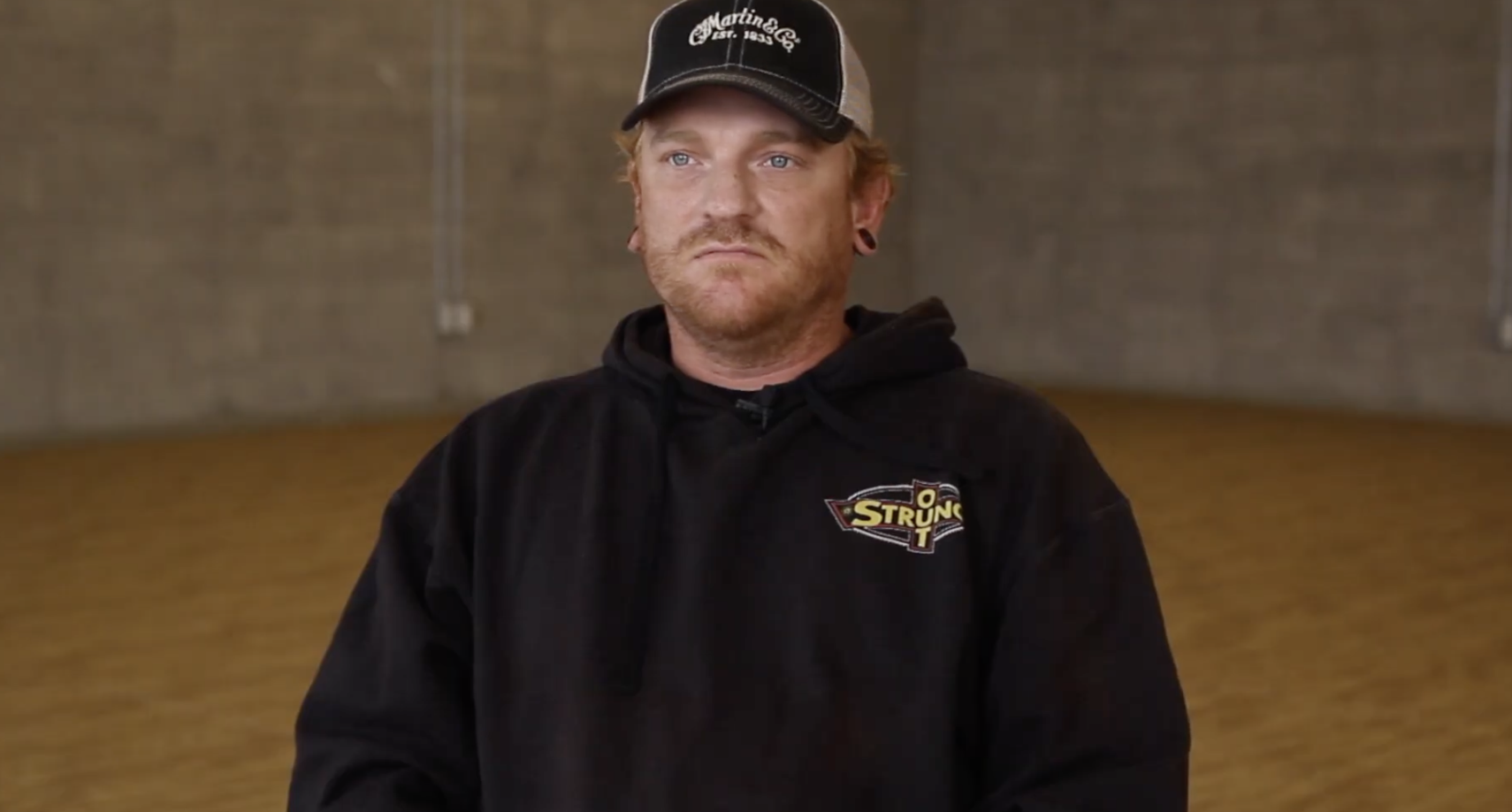
Testimonial
Learn more and hear a testimonial from a participant in the clinical trial for PTSD.

3D Model
A 3D model of three critical pathways through the amygdala: the ventral amygdalofugal pathway, the stria terminalis and the amygdala-prefrontal pathway. The amygdala plays a key role in memory, decision-making, and emotional responses like fear, anxiety, and aggression.
What’s in the Lab

RNS
Responsive NeuroStimulation (RNS) is an implanted brain electrode system that records iEEG activity and delivers targeted stimulation in response to pathological signals in brain circuits involved in threat processing and emotional regulation. Settings are adjusted over time based on each patient's response.

PET Brain Imaging
A brain positron emission tomography (PET) scan is an imaging scan that captures the metabolic activity of the brain, allowing us to see how DBS treatment affects the targeted circuits over time.
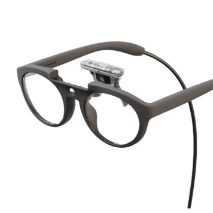
Eye Tracking
Deep-learning-powered eye tracking glasses that capture where and how patients direct their gaze, providing a behavioral window into attention, vigilance, and threat processing.

Neuropsychological Evaluations
Assessments of how brain health affects thinking, attention, memory, and behavior, used throughout the trial to track cognitive and emotional outcomes.
.png)
Physiological Measurements
Wearable sensors that track heart rate, skin conductance, and other stress markers, providing objective measures of how the body's threat response changes over the course of the trial.
.png)
Scalp EEG
Scalp EEG in combination with source localization analysis will assist in assessing the neural current sources, particularly in the prefrontal and temporal cortices, to define changes in network activity with RNS.
Funded by
.png)